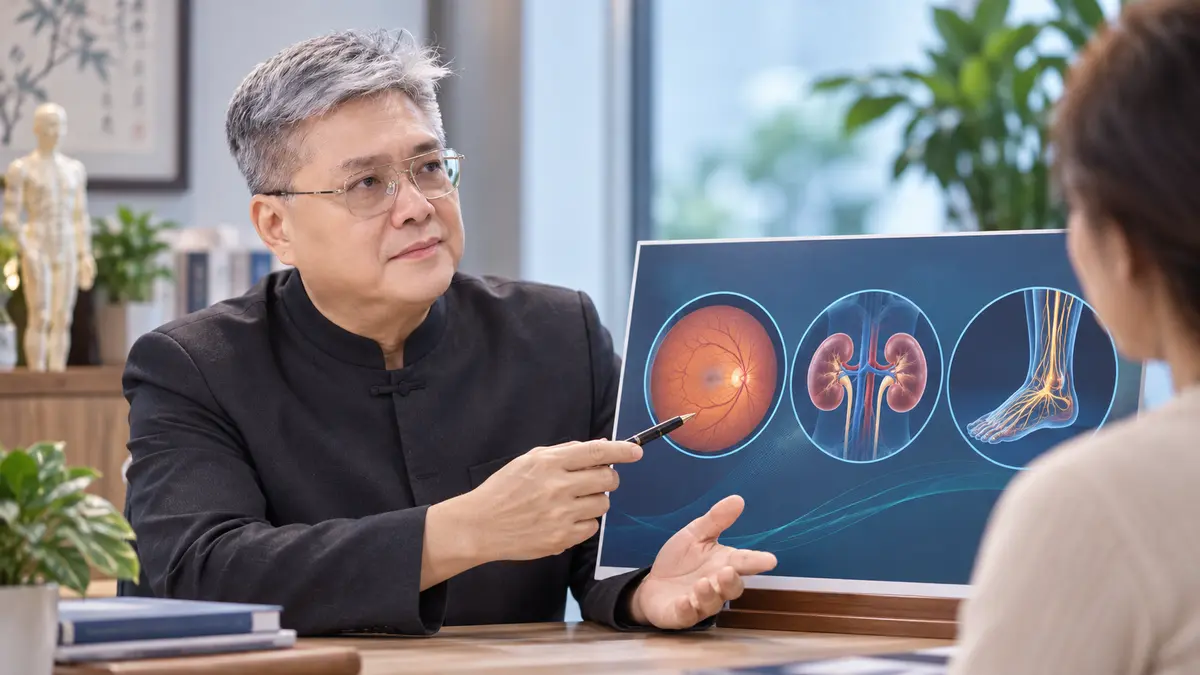
Hypertension is often described as a silent health risk because many people have no headache or discomfort even when readings are high. Over time it increases the risk of stroke, heart disease, heart failure, kidney disease and retinal damage. Feeling well does not mean that high pressure is harmless.
Diagnosis usually requires repeated measurements using proper technique, sometimes with home or 24-hour monitoring. Less salt, regular activity, weight management, better sleep, avoiding tobacco and limiting excess alcohol can help, but many people still need long-term medicine. A normal reading often means treatment is working and is not a reason to stop tablets independently.
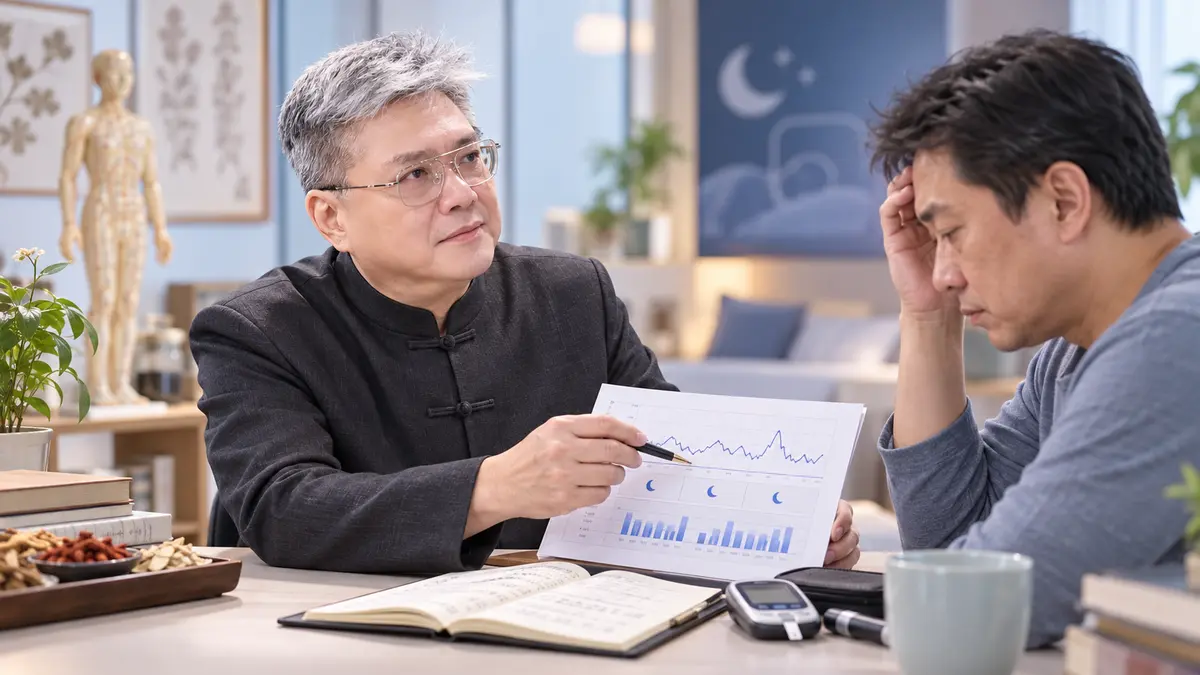
TCM may support concerns such as dizziness, sleep and stress, but symptoms cannot determine the blood-pressure level and herbs should not replace prescribed treatment. Very high blood pressure with chest pain, breathlessness, visual change, confusion, speech difficulty or limb weakness requires emergency care.
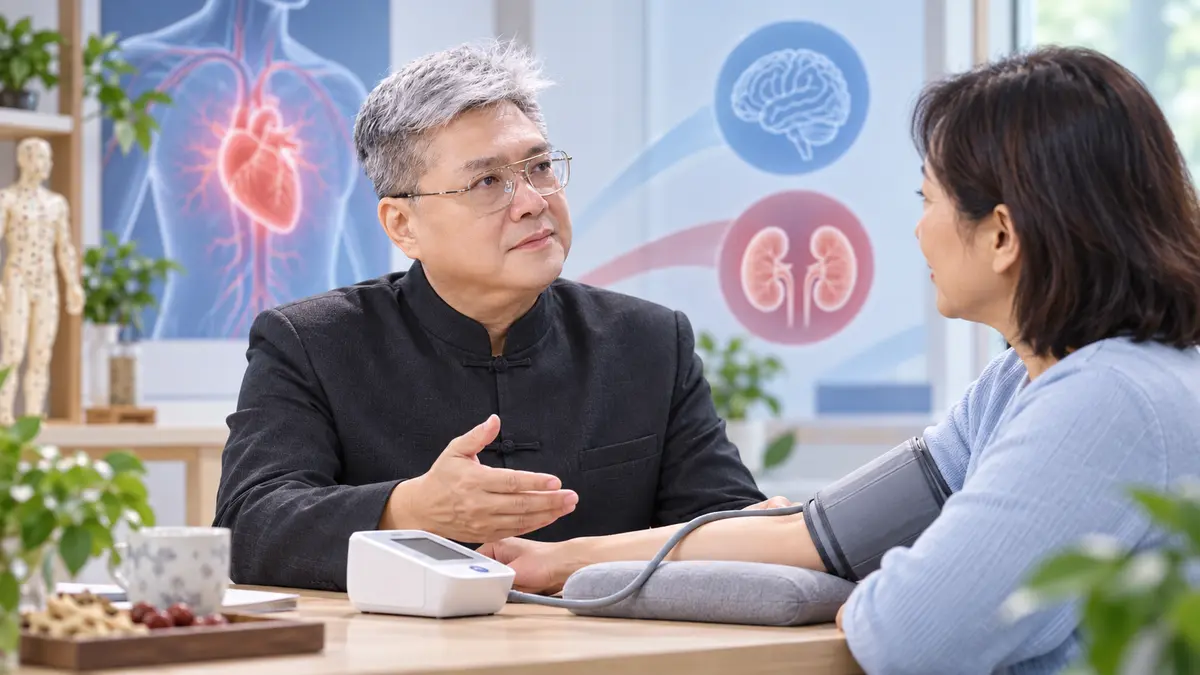
Before home measurement, avoid recent exercise, smoking or a large caffeine intake, sit quietly, and record the time and medicines taken. A week or more of readings gives the clinician a more useful picture than reporting only the single highest value.